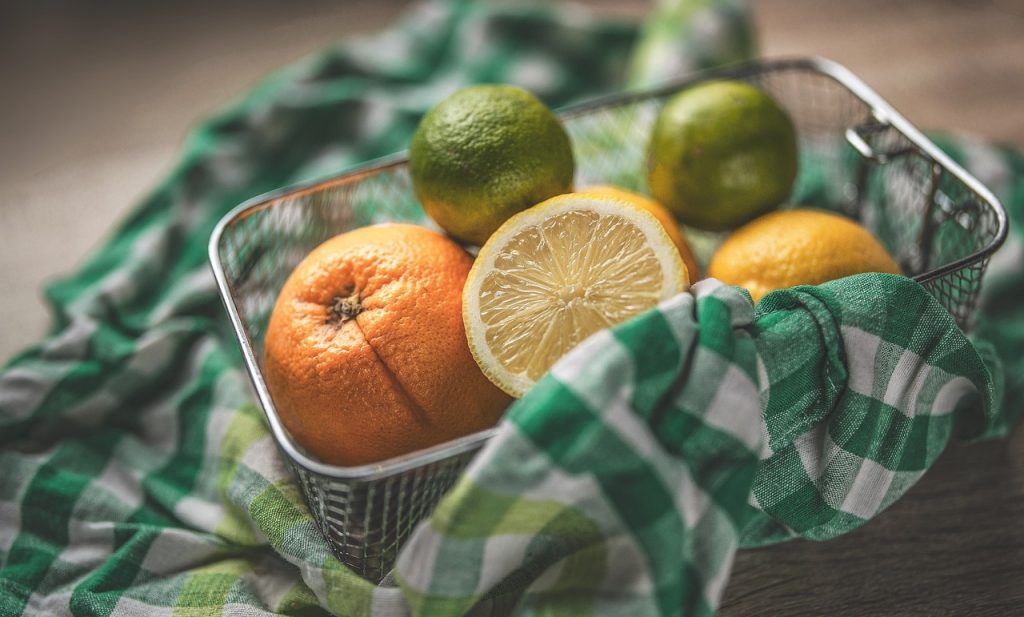
Lemons and Sweet Oranges
Fresh lemons and sweet oranges from Mediterranean and southern-hemisphere origins, sized and packed to your market.
- Reference
- FRP-CIT
- Origin
- Spain, Egypt, Turkey, South Africa
- Minimum order
- 1 × 40' reefer (approx. 1 500 cartons of 15 kg)
- Delivered to
- European Union, United Kingdom, Middle East, Africa, Asia, The Americas
Description
Citrus is sold all year, so supply has to follow the harvest around the world. Kalvermesterij supplies sweet oranges for fresh eating and juicing and lemons for retail, food service and processing, switching origin with the season to keep quality and volume steady.
Oranges include the seedless Navel group (Navelina, Washington Navel, Lane Late) in winter and Valencia Late in spring and summer, the favourite for juice. Lemons include Spanish Primofiori and Verna, Turkish Interdonato and Meyer, and South African Eureka. Fruit is washed, waxed or left unwaxed as you prefer, graded by size and packed to the UNECE FFV-14 citrus standard. Lemons travel warmer than oranges because they are sensitive to chilling, and each reefer is set to the right temperature for its fruit.
Specifications
- Oranges
- Navelina, Washington Navel, Lane Late, Valencia Late
- Lemons
- Primofiori (Fino), Verna, Interdonato, Eureka
- Class
- Class I (Extra on request)
- Quality standard
- UNECE FFV-14 (citrus fruit)
- Minimum juice content
- oranges 35 % (Navel group 33 %), lemons 20 %
- Size grading
- by diameter, count per carton stated on the offer
- Surface treatment
- waxed, or unwaxed and untreated after harvest
- Transport temperature
- oranges +4 °C to +8 °C; lemons +10 °C to +12 °C
- Season
- Spain and Egypt November–July; Turkey October–April; South Africa May–October
Health Benefits
- High in vitamin C, which contributes to the normal function of the immune system
- Vitamin C also contributes to normal collagen formation and increases iron absorption
- Oranges are a source of folate, potassium and dietary fibre
- Contain flavonoids such as hesperidin
- Lemon juice and zest add flavour to dishes and drinks with almost no calories
Packaging
- Open-top or telescopic cartons: 15 kg (oranges), 10 kg and 15 kg (lemons)
- Mesh bags: 1 kg, 2 kg and 5 kg, packed in cartons or on pallets
- Bulk bins for juicing: approx. 350 kg
- Private-label bags and labels on request
- Loading: approx. 20 pallets per 40′ reefer
Nutritional Values
- Energy
- 197 kJ / 47 kcal
- Carbohydrate
- 11.8 g
- of which sugars
- 9.4 g
- Dietary fibre
- 2.4 g
- Protein
- 0.9 g
- Fat
- 0.1 g
- Vitamin C
- 53 mg
- Folate
- 30 µg
- Potassium
- 181 mg
Typical values per 100 g of orange flesh; lemon flesh has about 121 kJ / 29 kcal, 2.5 g sugars and a similar 53 mg of vitamin C
Trade Terms
- Reference
- FRP-CIT
- Origin
- Spain, Egypt, Turkey, South Africa
- Minimum order
- 1 × 40' reefer (approx. 1 500 cartons of 15 kg)
- Delivered to
- European Union, United Kingdom, Middle East, Africa, Asia, The Americas
Offers are made in EUR or USD on FCA, FOB, CFR, CIF or DAP terms (Incoterms® 2020), with delivery by road, reefer or sea container. Each consignment travels with a commercial invoice, packing list, certificate of origin and the phytosanitary or veterinary certificates the destination requires. Payment terms are agreed per contract and confirmed in writing by Kalvermesterij before shipment.
More Fresh Produce
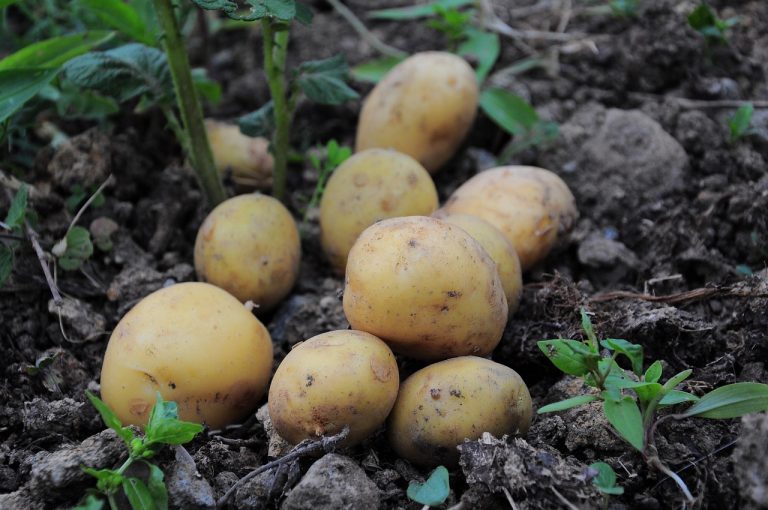
Fresh Holland Potatoes
Dutch ware and processing potatoes: Spunta, Agria, Fontane, Innovator, calibrated 35–70 mm.
Netherlands
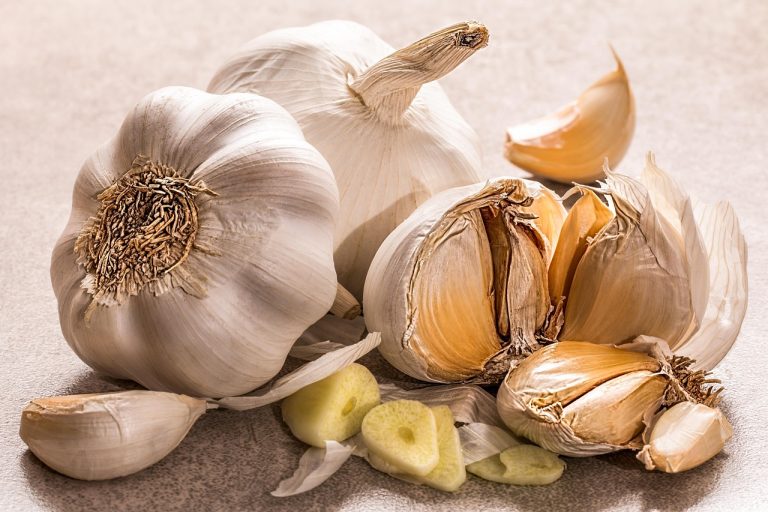
Garlic
Fresh purple and white garlic, graded 4.5–7 cm+, in cartons and mesh bags.
Spain, Egypt, China
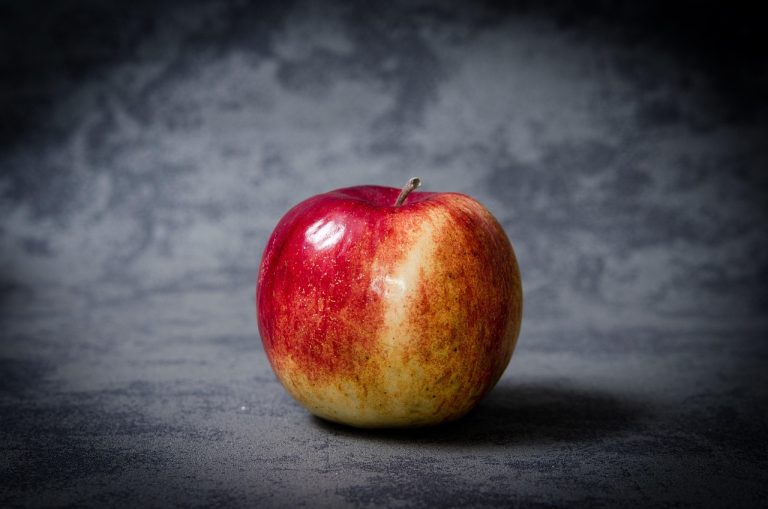
Red Gala Apples
Royal Gala and red Gala strains, Class I and Extra, graded 65–85 mm, tray-packed or bagged.
Poland, Italy, France; Chile and New Zealand off-season
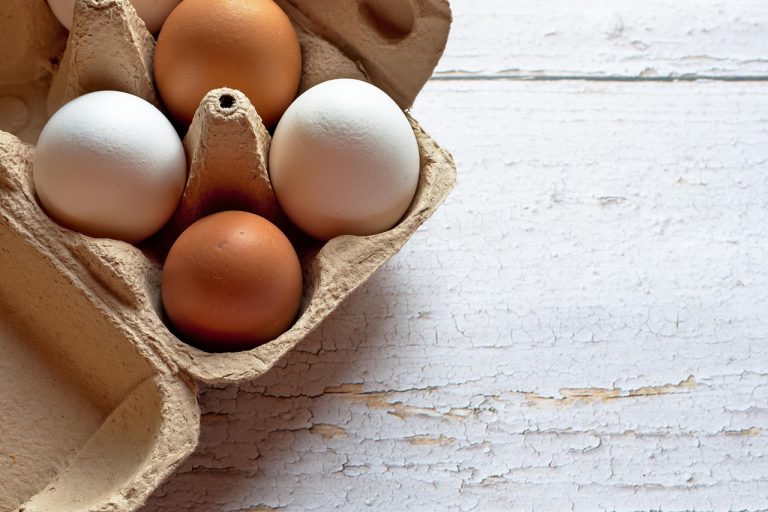
Fresh Table Eggs
Class A hen eggs, white or brown shell, sizes S to XL, on 30-egg trays or in retail boxes.
Netherlands, Poland, European Union